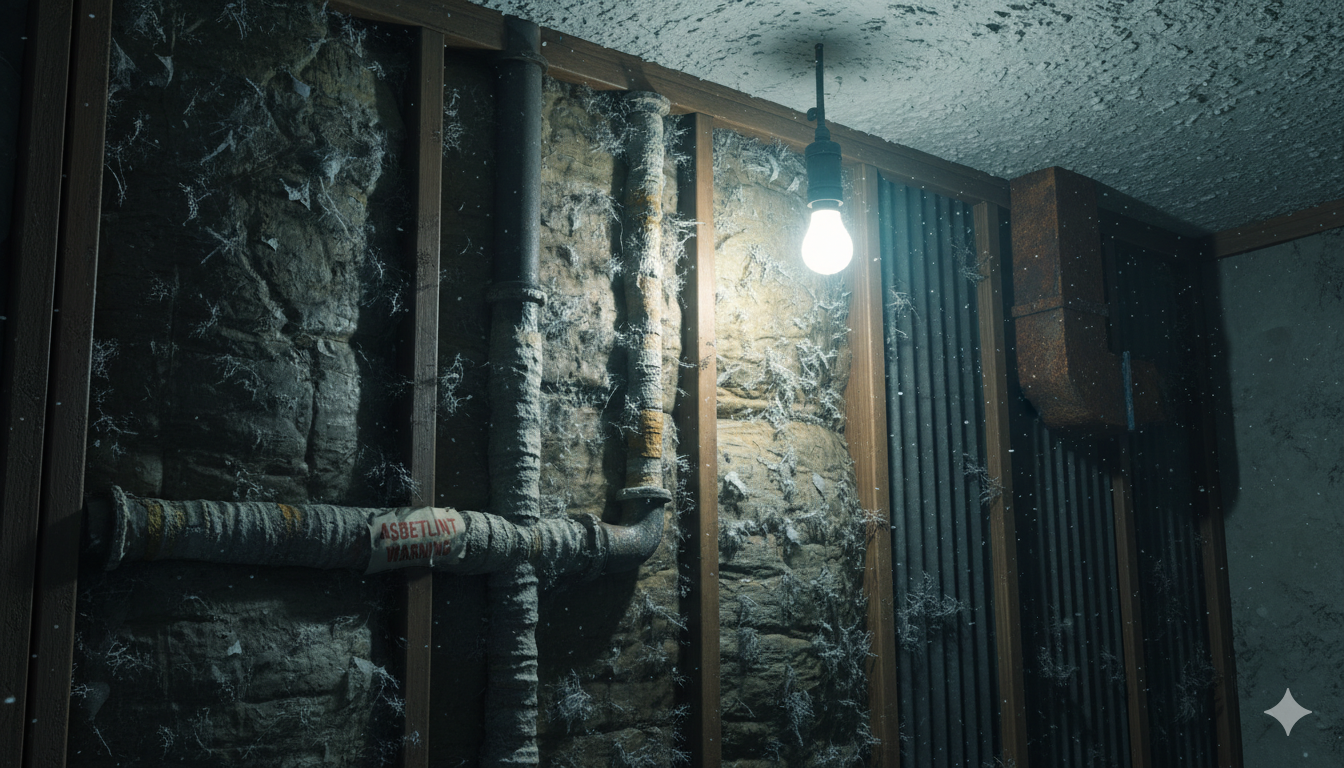
Have you ever wondered about the hidden materials inside old houses? One term you might hear quite often is Asbestlint. In the past, builders used this material because it was very strong and could handle high heat without burning. It was a popular choice for many years, but today, we know much more about how it affects our health. Understanding what it is and where it hides is the first step to keeping your family safe during a home renovation.
Think of this article as your friendly neighborhood guide to asbestlint. We aren’t just going to look at dry facts. Instead, we will explore why it was used, what it looks like, and what you should do if you find it. Safety is our main goal here. By the end of this read, you will feel like an expert on how to manage this old-school building material properly. Let’s dive into the details together!
Technical Profile: Understanding the Material
| Feature | Details |
| Common Name | Asbestlint (Asbestos Ribbon/Tape) |
| Material Type | Fibrous Mineral Composite |
| Primary Use | Insulation, Sealing, and Fireproofing |
| Appearance | White, Grey, or Blue-ish Fabric Tape |
| Risk Level | High when damaged or friable |
| Common Locations | Pipes, Vents, and Electrical Panels |
What Exactly is Asbestlint?
To put it simply, asbestlint is a type of tape or ribbon made from asbestos fibers. Back in the day, people thought asbestos was a “magic mineral” because it didn’t catch fire. Manufacturers wove these fibers into a cloth-like strip. This strip was then wrapped around objects that got very hot. It acted like a protective blanket for pipes and wires. Even though it looks like normal fabric, it is much tougher and can last for decades.
Today, we see asbestlint differently than builders did fifty years ago. While it served a great purpose for fire safety, we now know the fibers can be dangerous if they get into the air. If you see a grey or white tape wrapped around old plumbing in a basement, there is a good chance it is this material. Knowing what it is helps you avoid touching it or disturbing it by accident during a DIY project.
Why Was This Material So Popular?
For a long time, asbestlint was the gold standard for insulation. It was very cheap to make and worked better than almost anything else available at the time. Builders loved it because it was flexible. You could wrap it around a curved pipe or a tight corner very easily. It also resisted chemicals and didn’t rot over time. This made it perfect for industrial settings and cozy family homes alike.
Because it lasted so long, much of this asbestlint is still around today. It doesn’t just disappear or dissolve. It stays exactly where it was placed until someone moves it. This durability was a huge selling point in the 1950s and 60s. Everyone wanted a home that was safe from fires, and this ribbon offered that peace of mind. Now, our job is to manage that legacy safely.
Common Places to Find Asbestlint
If you live in an older home, you might be living near some asbestlint without even knowing it. The most common spot is in the basement or attic. Look at the joints where two heating pipes meet. You might see a white, chalky tape wrapped around the seam. It was also frequently used inside electrical fuse boxes to prevent sparks from starting a fire. It was a “fix-all” for heat protection.
Another place you might find asbestlint is around old air ducts. If the silver tape on your vents looks very thick and fibrous, it could be the older asbestos version. Sometimes it was even used under floor tiles or behind radiators. Because it was so versatile, it popped up in many unexpected corners of construction. Checking these spots before you start a renovation is a very smart move for any homeowner.
How to Identify the Material Safely
Identifying asbestlint with just your eyes can be a bit tricky. Usually, it has a distinct textured look, almost like a heavy canvas or burlap. It is often white, light grey, or sometimes a dull blue color. Over time, it might become dusty or start to fray at the edges. However, you should never pick at it or peel it back to get a better look.
The only way to be 100% sure about asbestlint is to have it tested in a lab. Experts take a tiny sample and look at it under a special microscope. If you suspect you have found some, the best thing to do is leave it alone. Taking a “wait and see” approach is much safer than poking it. If the material is in good shape and not falling apart, it generally poses a very low risk to you.
The Science of Why It Is Risky
The reason asbestlint is a concern is due to the tiny fibers inside it. These fibers are so small that you cannot see them with your eyes. When the tape is cut, scraped, or crushed, these fibers float into the air like invisible dust. If a person breathes them in, they can get stuck in the lungs for a long time. This is why we treat the material with so much respect today.
As long as the asbestlint stays whole and “bound,” the fibers stay trapped inside. The danger only happens when the material becomes “friable.” That is a fancy word for something that can be crumbled by hand. Old insulation can get dry and brittle over the years. This makes it more likely to release dust. Understanding this science helps us realize that being gentle and cautious is the best way to stay healthy.
What to Do if You Find It
Finding asbestlint in your home might feel scary, but there is no need to panic. The first rule is: do not touch it. If it is on a pipe in a corner where nobody goes, it isn’t doing any harm. You can simply mark the area so other people know to be careful. Many people live in homes with asbestos for years without ever having a single problem or health issue.
If you are planning to knock down a wall or replace pipes, you must call a professional. They have the right gear to handle asbestlint without making a mess. They use special vacuums and wet the material down so no dust flies away. It is much better to spend a little money on an expert than to risk your health by trying to do it yourself. Safety always comes first!
Legal Rules and Modern Regulations
Laws about asbestlint have changed a lot over the last few decades. In many places, you are not allowed to just throw it in the regular trash. It is considered hazardous waste. There are strict rules for how it must be bagged and where it can be buried. These laws exist to protect the environment and the workers who handle our garbage every day.
Before you start a big project, check your local building codes. Some areas require an asbestos survey before you can get a permit for demolition. Using a certified contractor ensures that all the asbestlint is handled according to the law. Following these rules keeps your neighborhood safe and prevents you from getting any expensive fines. It is all about doing things the right way for everyone’s benefit.
DIY Safety: What Not to Do
When it comes to asbestlint, there are a few “big no-nos” for DIY fans. Never use a standard vacuum cleaner to clean up dust near old insulation. A regular vacuum will just blow the tiny fibers back out into the air through the exhaust. Also, never sand or scrape anything that looks like old white tape. This is the fastest way to turn a safe situation into a risky one.
If you accidentally disturb some asbestlint, leave the room immediately. Close the door and turn off any fans or air conditioning. This helps keep the dust in one spot. You should then call a professional cleanup crew. It might seem like overkill, but your lungs will thank you later. Being a “hero” and trying to clean it up yourself with a broom is never a good idea.
Benefits of Professional Removal
Hiring a pro to handle asbestlint gives you total peace of mind. These experts wear “spacesuits” and use high-tech filters called HEPA filters. They know exactly how to seal off a room using plastic sheets. When they are done, they test the air to make sure it is perfectly clean. This means you can walk back into your home knowing it is 100% safe for your kids and pets.
While it costs more than a DIY job, professional removal of asbestlint adds value to your home. When you go to sell your house, you can show the paperwork proving the asbestos is gone. Buyers love to see that a home has been well-maintained and updated safely. It is an investment in your health and your property’s future. Plus, it saves you the huge stress of doing it yourself.
Looking Toward a Safer Future
Today, we use much better materials instead of asbestlint. Modern fiberglass and foam wraps work just as well without the health risks. We have learned from the past and made building materials safer for everyone. If you find old materials in your home, just think of them as a piece of history that needs to be handled with a little extra care.
Education is the best tool we have. By learning about asbestlint, you are already ahead of the game. You know what to look for and how to react. This knowledge keeps you, your family, and your neighbors safe. As we continue to renovate and improve our older buildings, we can move toward a future that is free from the worries of old asbestos fibers.
Frequently Asked Questions (FAQs)
1. Can I tell if it is asbestlint just by looking at it?
While you can guess based on its fabric-like texture and location on old pipes, you cannot be certain without a lab test. It often looks like a thick, white, or grey tape.
2. Is asbestlint dangerous if I don’t touch it?
Generally, no. If the material is in good condition and left alone, the fibers remain trapped. The danger only starts if the material is damaged or moved.
3. What should I do if I see damaged asbestlint?
You should keep people and pets away from the area. Do not try to sweep or vacuum it. Call an asbestos professional to assess the situation.
4. How much does it cost to remove this material?
The price varies depending on how much there is and where it is located. Small pipe sections might be affordable, while a whole basement could cost more. Always get a few quotes.
5. Can I cover asbestlint instead of removing it?
Sometimes! This is called “encapsulation.” A professional can use a special paint or wrap to seal the fibers in so they can’t escape. This is often cheaper than full removal.
6. Is it illegal to have asbestlint in my home?
No, it is not illegal to have it. However, there are laws about how you must handle it during renovations or when you decide to dispose of it.
Conclusion: Staying Informed and Safe
In summary, asbestlint is a relic from a time when we didn’t fully understand the risks of certain minerals. It did a great job of keeping homes warm and safe from fires, but now we know it requires special handling. The most important thing to remember is that knowledge is power. By being able to identify these materials and knowing when to call for help, you are protecting your most valuable asset: your health.
If you suspect your home has asbestlint, take a deep breath and follow the steps we discussed. Keep it undisturbed, get it tested if you plan to renovate, and always trust the experts for removal. Staying safe doesn’t have to be complicated!